Helping shelter dogs find loving homes
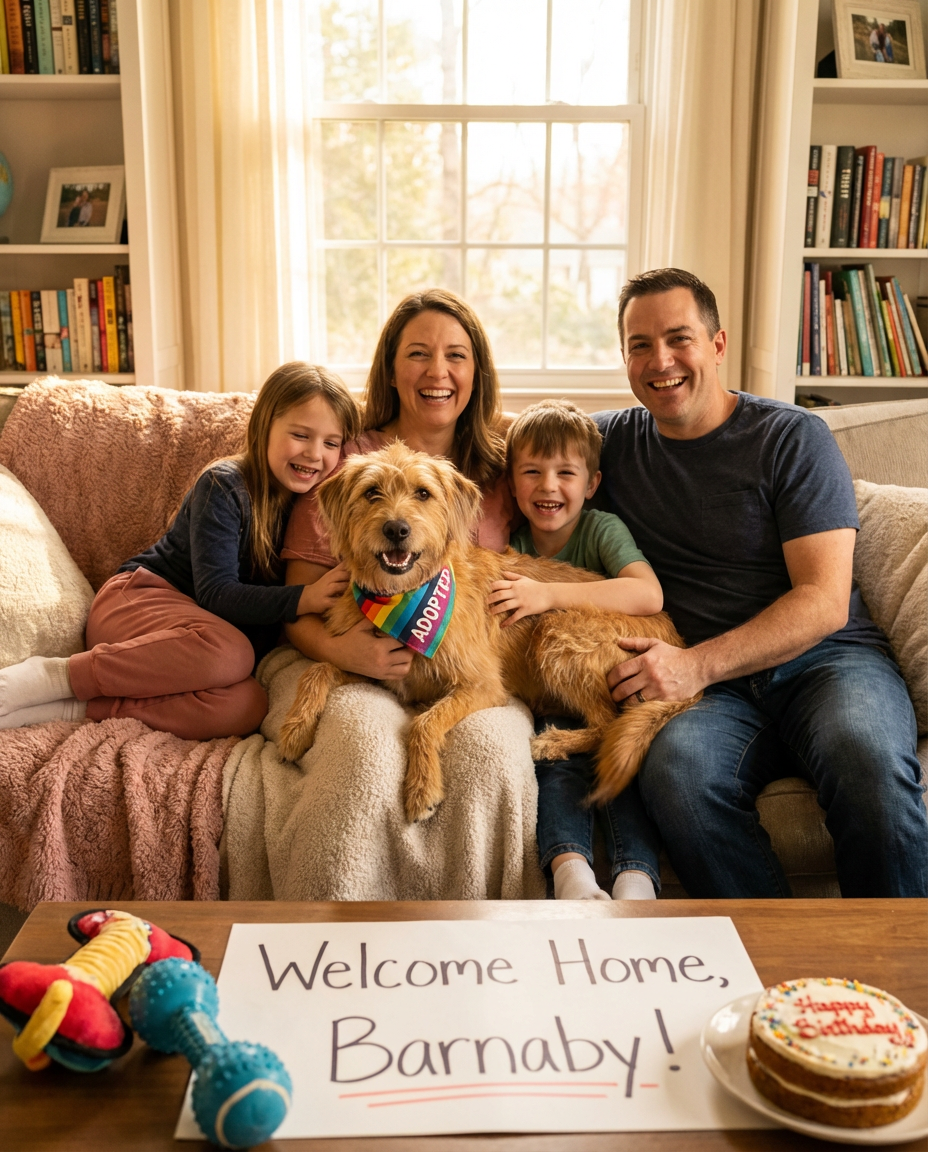
A family meeting their new shelter dog - the moment of connection
Educate. Advocate. Save Lives.

Every Dog Deserves a Second Chance

For 15,000 years, dogs have been by our side. They chose us. They evolved with us. Now, a network of passionate people works every day to save their lives. There's a place in it for you.

334,000 Dogs euthanized in 2024
59% Reduction since 2016
You Could save the next one

It Started With One Message

At 2:47 AM on a Tuesday, Sarah's phone buzzed on her nightstand. She knew what it was before she even looked. Another urgent message in the rescue network. Another dog out of time.

"Senior pittie, heart murmur, shelter closes at 5 PM. Euthanasia list. No rescue has stepped up."

She looked at her husband sleeping next to her. Their two dogs curled up at the foot of the bed. The spare room they'd promised would become a home office. "Just one more," she whispered to herself. "I can take one more."

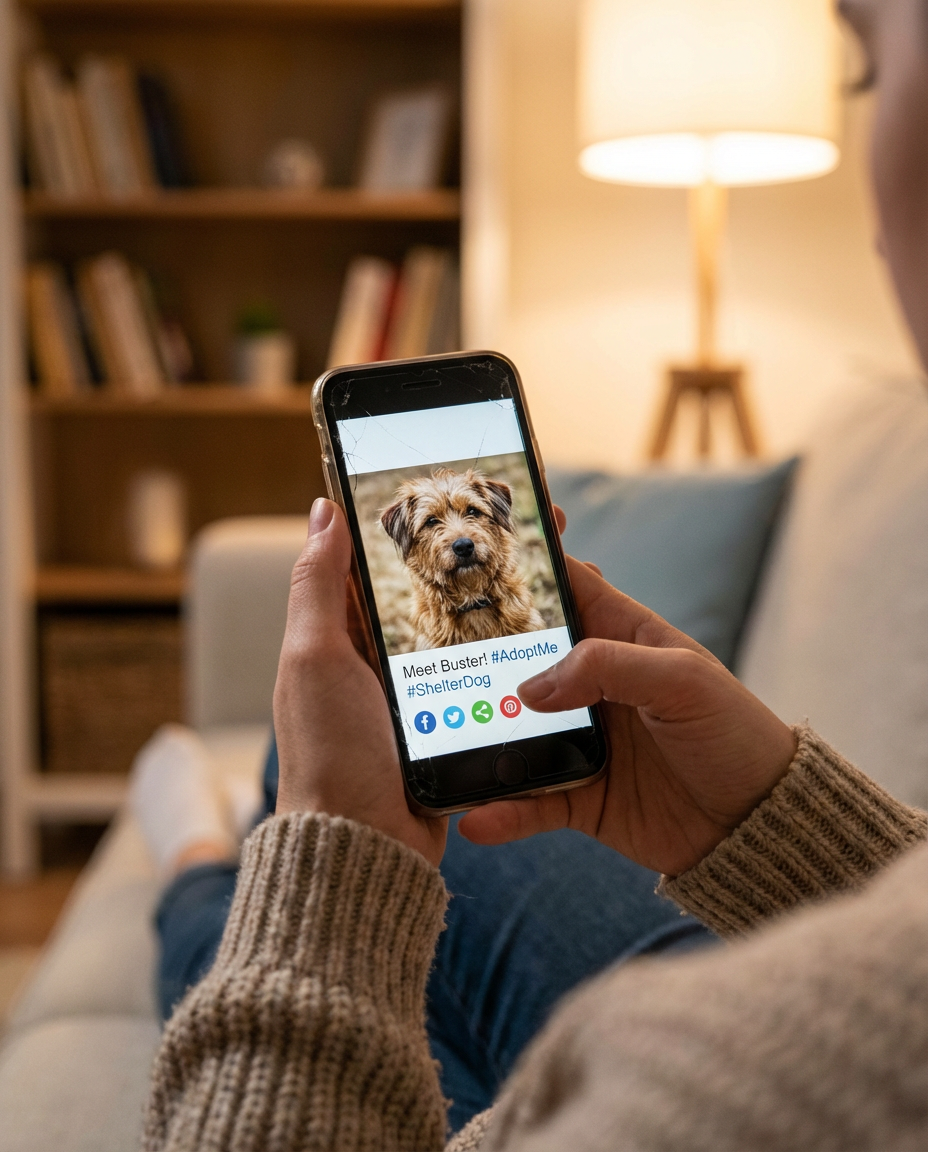
A concerned person checking their phone in the middle of the night

By 3:15 AM, she'd coordinated a rescue pull, arranged transport, and cleared space in her home. By 4:30 PM that day, a gray-muzzled dog who'd been hours from death was curled up on her couch, finally safe.

That's how it works in the rescue world. Ordinary people - people with jobs and families and full lives - choosing to step up when a dog runs out of time. No capes. No fanfare. Just someone saying "I can help" when it matters most.

You could be that person. You don't need special skills or unlimited resources. You just need to care - and you're already here, which means you do.

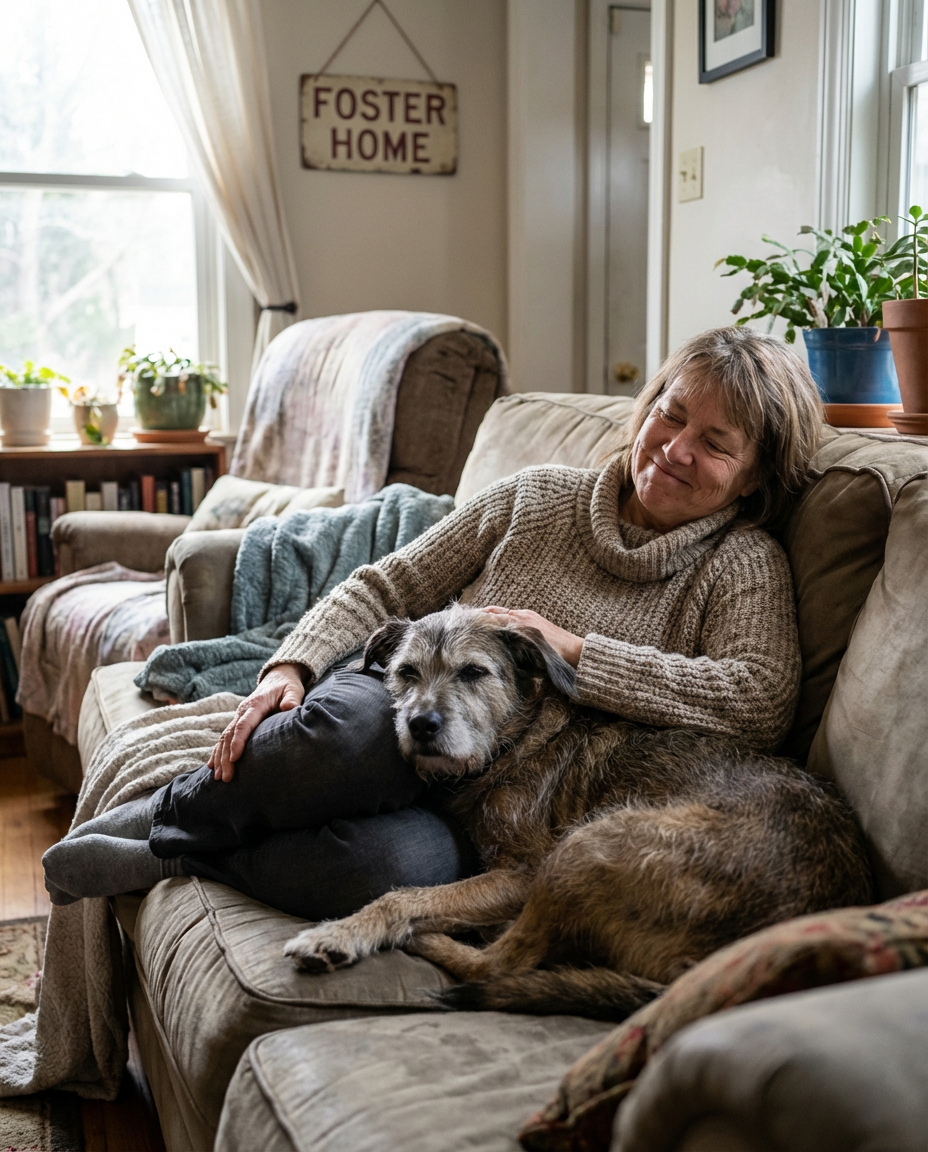
A senior pit bull sleeping peacefully on a couch - finally safe

The Rescue Ecosystem is Confusing (And That's Costing Lives)

Here's what most people don't realize: there are thousands of people who want to help shelter dogs, and thousands of dogs who desperately need that help. But they can't find each other.

The rescue world has its own language, its own roles, its own unspoken rules. Shelters, rescues, fosters, networkers, transporters, pullers - from the outside, it's impenetrable. So people who could make a difference don't, simply because they don't know where to start.

That ends here. We're going to break it all down for you.

Shelters vs Rescues

"Wait, aren't they the same thing?" That's what most people think. But understanding the difference is the key to understanding why rescue is so complicated - and where you fit in. Shelters are legally required to take every animal. Rescues pull dogs from shelters to save them from euthanasia. They work together, but they're fundamentally different - and both need you.

Learn More

Foster Families

Remember Sarah at 2:47 AM? She's a foster. Foster families are the backbone of rescue - without them, the entire system collapses. They open their homes to dogs waiting for adoption, providing temporary love that often becomes the difference between life and death. Fostered dogs are 14-20 times more likely to be adopted than shelter dogs. Your spare room could save lives.

Learn More

Networkers

You know that friend who's always sharing shelter dog posts on Facebook? They're a networker, and they're heroes. Every share expands a dog's reach exponentially. That post you scroll past? It might be the post that connects a dog with their person - or the rescue that saves their life. If you have social media, you already have everything you need to save lives.

Learn More

A Day in the Rescue Network

6:45 AM - The Networker

Jennifer sips her coffee and opens the urgent rescue emails. A beagle mix in Riverside. A senior lab in San Bernardino. Both on the euthanasia list. She crafts compelling posts for each, adds their photos, includes crucial details. Share to Facebook. Share to Instagram. Tag rescue groups. By the time she leaves for work, those posts have been shared 200 times. One of those shares will reach exactly the right person.

10:30 AM - The Transport Volunteer

Marcus has a two-hour gap between meetings. He sees the transport request: someone needs to move a dog from Corona shelter to a foster in Pasadena. It's on his route home. "I can do this leg," he messages. At 5:15 PM, he pulls into the shelter parking lot. A nervous pittie named Bruno is loaded into his car. By 6:45 PM, Bruno is in his foster home, tail wagging. Marcus drove 40 minutes out of his way. Bruno's alive because of it.

4:52 PM - The Rescue Coordinator

The shelter closes at 5:00 PM. Lisa's phone rings. "We have a foster for the senior pittie." Eight minutes left. She calls the shelter. "We're pulling her. I'm sending our rescue rep now." Papers are signed at 4:58. The dog is carried out at 5:01. Three minutes. That's how close it was.

8:30 PM - The Foster Family

The Martinez family sits on the floor of their living room. The scared, shut-down dog who arrived six hours ago is still hiding behind the couch. They don't push. They just sit nearby, talking softly, letting her know she's safe. At 8:47 PM, a gray nose emerges. At 9:03 PM, she takes a treat from their daughter's hand. At 9:30 PM, she's curled up between them on the couch. Tomorrow, she'll start learning what it feels like to be loved. But tonight, for the first time in months, she's safe.

This happens every single day. Thousands of ordinary people making extraordinary choices. Which one could you be?

You Don't Have to Adopt to Be a Hero

There's a myth that unless you can commit to adoption, you can't help. That myth kills dogs.

The truth is, the rescue network needs people in a dozen different roles. Some require hours of time. Some require just minutes. Some cost money. Some are completely free. But they all matter. They all save lives. And one of them is perfect for you exactly as you are right now.

Foster family with dog

Foster

People like you - with big hearts and open homes - are exactly who these dogs are waiting for. You don't need to be perfect. You don't need a yard. You don't even need to commit to forever. Just a temporary safe place while they wait for their permanent family. Some fosters keep dogs for weeks. Some for days. Weekend "sleepover fosters" help relieve shelter stress during critical periods. Every single option saves lives.

"I thought I'd just be a temporary stopover in their journey. Turns out, I was the person who showed them humans can be trusted again. That's not temporary. That changes everything." - Rachel, foster volunteer

Learn About Fostering
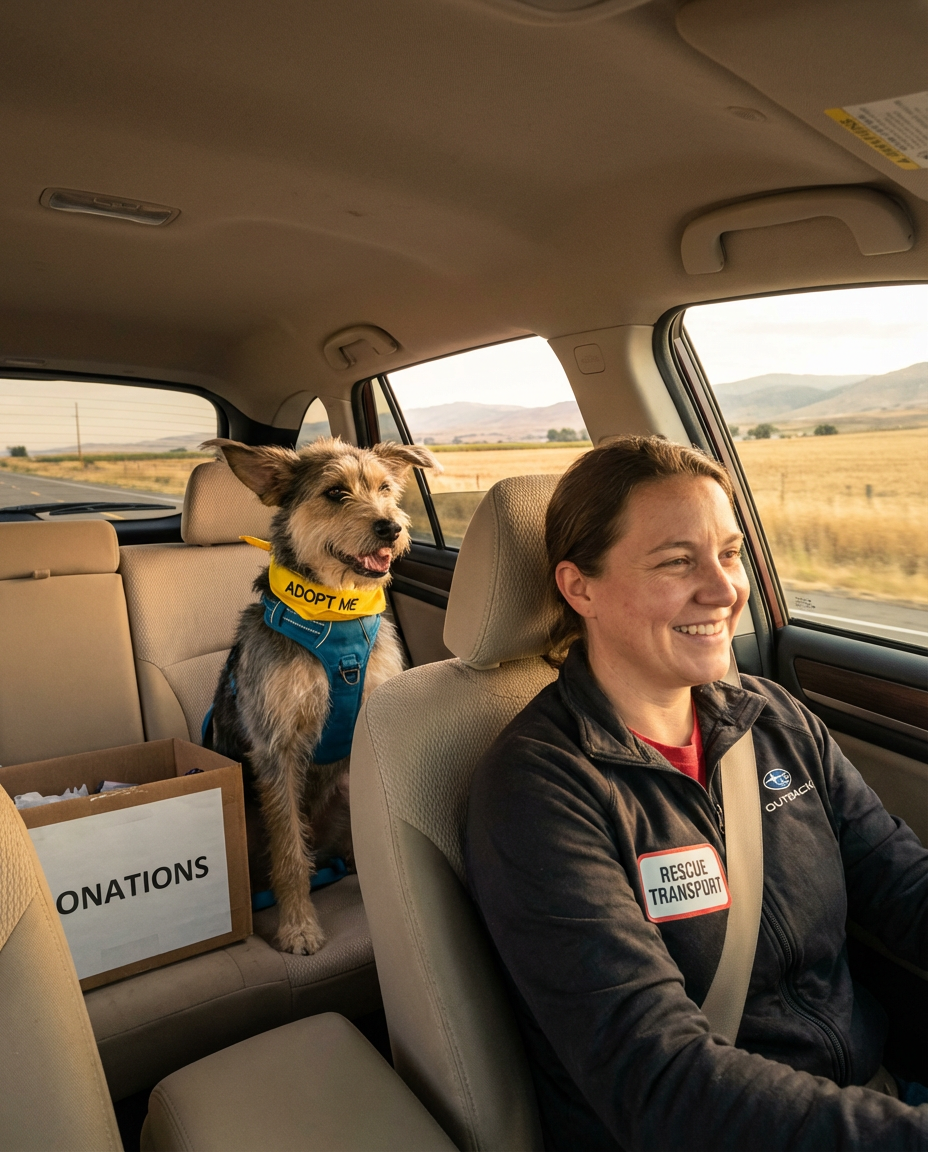
Volunteer transporting dog

Transport

You have a car. You have a few hours occasionally. That's literally all you need to move a dog from a high-kill shelter to safety. Transport volunteers are the invisible heroes of rescue - driving "legs" of longer journeys, sometimes just 30 minutes down the freeway. That short drive? It's the difference between a dog dying in a shelter and arriving at a foster home where they'll decompress, heal, and find their person.

"I drove 45 minutes. That's it. But when I handed her over to the foster, I watched a terrified dog walk into a home where someone was waiting to love her. I'll never forget that feeling." - Marcus, transport volunteer

Volunteer to Transport
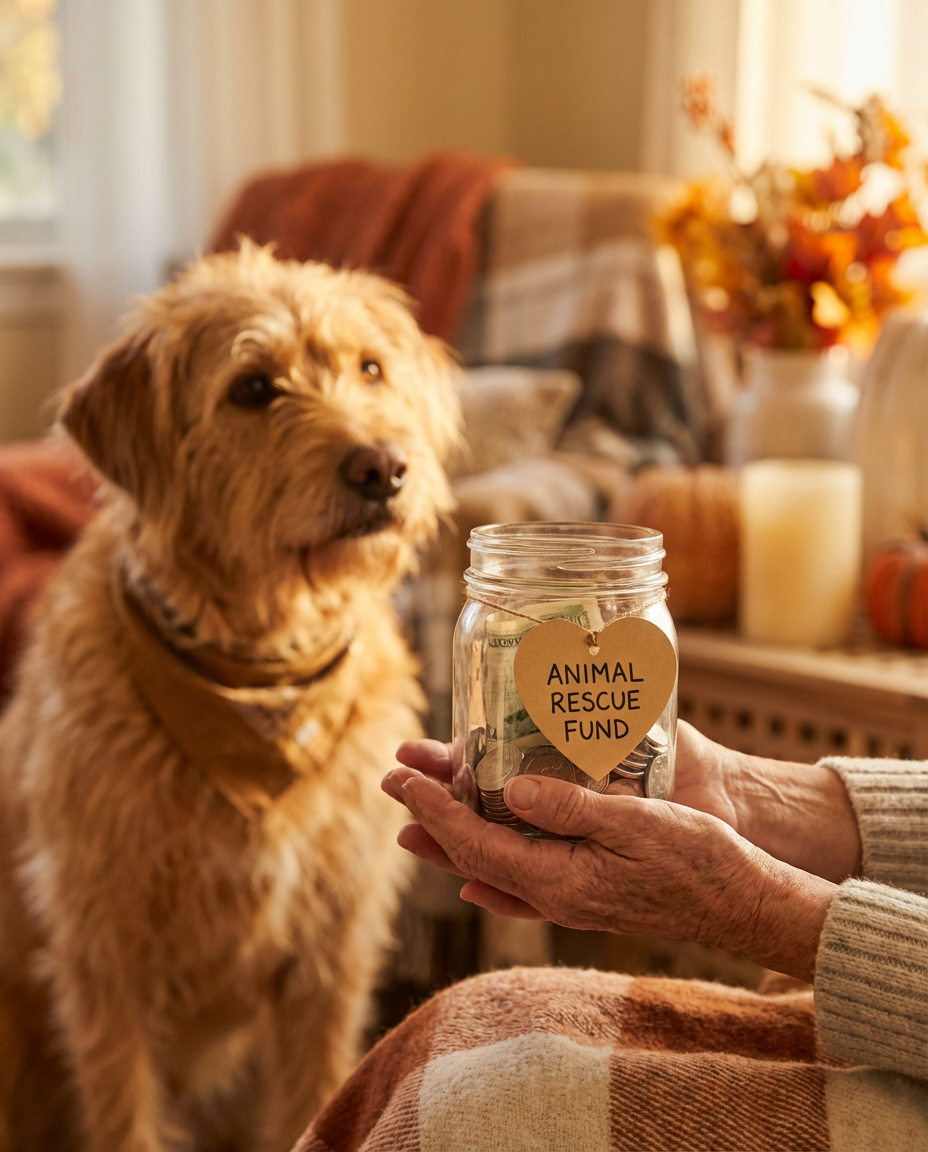
Donation helping rescue

Donate

Your generosity tells a scared dog that someone cares whether they live or die. Every dollar helps cover emergency vet bills, heartworm treatment, spay/neuter surgery, food, medical boarding. Rescues operate on razor-thin margins. The difference between pulling a dog and leaving them behind often comes down to whether they can afford the vet work. Your donation isn't just money. It's the answer to "can we save this one?"

"We had to make a choice: save the senior with the heart condition or save the pregnant mom. Then a $300 donation came in. We saved both." - Lisa, rescue coordinator

Ways to Donate
Social media sharing

Network & Share

You're scrolling social media anyway. What if those minutes could save a life? Networkers share dogs on social media, exponentially expanding their reach. That German Shepherd on the euthanasia list? Your share gets him seen by 500 people. One of them shares it to their network - 500 more. Someone in that second wave knows someone looking for a German Shepherd. Or works for a rescue. Or has a foster home opening up. You were the first domino.

"I shared a post about a senior beagle. My cousin's neighbor saw it. That beagle is sleeping on their couch right now. I just clicked 'share.'" - Jennifer, social media networker

Start Networking
Donated supplies

Donate Supplies

That bag of dog food in your garage from your dog who wouldn't eat it? The crate your puppy outgrew? Old towels and blankets you're about to donate anyway? Shelters and fosters need them desperately. Every donated crate means a rescue can pull one more dog. Every bag of food means a foster can say yes when they might have said no. Your clutter could be someone's lifeline.

What's Needed
Happy adopted dog

Adopt

Ready to add a furry family member? Choosing to adopt from a shelter or rescue instead of buying from a breeder does two things: it saves the dog you adopt, and it opens up a space in the rescue system for another dog to be pulled. You're not just saving one life. You're saving two. And you're joining a community of people who believe dogs deserve second chances.

"We thought we were rescuing him. Turns out, he rescued us right back." - The Martinez Family

Adoption Guide
Veterinarian caring for a rescue dog

Use Your Professional Skills

Veterinarians, trainers, groomers, photographers—professionals like you are the invisible backbone of rescue. Your expertise makes the impossible possible. A discounted spay/neuter means a rescue can save one more dog. Professional photos increase adoption rates by 14-20x. Behavior assessments turn "unadoptable" dogs into beloved family pets. You didn't spend years mastering your craft to watch it sit idle when it could save lives.

"I offer one pro-bono vet slot per week for rescue dogs. Just one. That's 52 dogs a year who become adoptable instead of being euthanized." - Dr. Sarah Chen, DVM

Learn About Professional Partnership

The Numbers Tell a Story

These aren't just statistics. They're individual dogs. Each number represents a tail that wagged or didn't. A second chance given or denied. A family made whole or a life ended too soon.

5.8M
Dogs & cats enter U.S. shelters yearly

That's 15,890 animals entering shelters every single day. Each one with their own story.

2M
Dogs adopted annually

Two million happy endings. Two million families made complete. It's possible.

334K
Dogs euthanized in 2024

Down from 800,000 in 2016. Every one of these deaths was preventable. We're making progress, but we're not done.

5-14x
More likely to be adopted when fostered

Brief outings: 5x more likely. Short-term foster: 14x more likely to be adopted. (Study)

Sources:

ASPCA Pet Statistics | Best Friends 2024 Report | Shelter Animals Count

This Bond is 15,000 Years Old

Science tells us dogs were first domesticated somewhere between 15,000 and 23,000 years ago. But here's what's remarkable: they domesticated themselves.

Wolves who were less afraid of humans, who could read our facial expressions, who wanted to be near us - they thrived. Over thousands of years, they literally evolved to be our companions.

Dogs evolved a facial muscle that wolves don't have - the one that creates "puppy dog eyes." They literally grew new anatomy to communicate with us better.

The evolution from wolf to dog - 15,000 years of partnership

A 2015 study discovered something extraordinary. When you look into your dog's eyes, both of you experience a surge of oxytocin - the same hormone that bonds mothers to infants.

This bonding mechanism exists between no other two species on Earth. Dogs and humans are wired to love each other at a neurochemical level.

They guarded our homes. Herded our livestock. Pulled our sleds across frozen tundra. Sat at our feet when we grieved. They went to war with us. They died protecting us.

After 15,000 years of partnership, we created a system that kills 334,000 of them every year. But it doesn't have to be this way.

Human and dog sharing an intimate moment of connection

The Journey of a Shelter Dog

Every dog in the rescue system has a story. It starts with confusion and fear. Where it ends depends on people like you - people willing to step up at critical moments. Here's how a life gets saved.

1

Intake

A dog arrives at a shelter. Maybe they were found wandering a highway. Maybe their owner lost their housing. Maybe they were pulled from a hoarding situation. They're terrified. The shelter is loud, chaotic, overwhelming. They don't understand why their world just ended. And the clock starts ticking. At many municipal shelters, they have 3-7 days before they're evaluated for euthanasia. The journey has begun, and the odds aren't good.

2

Networking

Volunteers photograph the dog. They write a compelling description. They share to Facebook groups, Instagram, rescue networks. "CODE RED: Urgent. Beautiful 3-year-old lab mix. Great with kids. On euthanasia list." Every share expands the dog's reach. Someone who follows a rescue in Texas shares it. Her friend in California sees it. That friend works with a rescue. The network is working.

3

Rescue Pull

Friday afternoon. The shelter closes at 5:00 PM. At 4:30, a rescue coordinator gets a message: "We have a foster." She calls the shelter. "We're pulling #A538291. I'll have someone there in 20 minutes." Paperwork is signed. Vet fees are committed. A life is saved. The dog doesn't know how close they came. But the rescue coordinator does. She's done this 200 times, and her hands still shake.

4

Transport

The dog is in Riverside. The foster is in Pasadena. Three volunteer drivers coordinate a relay. Riverside to Corona - 20 minutes. Corona to Claremont - 30 minutes. Claremont to Pasadena - 35 minutes. Total volunteer time: less than two hours combined. Total impact: infinite. At 6:45 PM, a dog who woke up on death row is carried into a foster home.

5

Foster Care

The first night, the dog won't eat. Won't make eye contact. Just shakes. The foster family doesn't push. They sit nearby. They talk softly. They wait. Day three, the dog takes a treat. Day seven, a tail wag. Day fourteen, they're sleeping in bed with the kids. This is the magic of foster care - not just housing, but healing. The dog learns what safety feels like. What love feels like. What being wanted feels like. When they meet their adoptive family, they're not a scared shelter dog anymore. They're ready for their forever home.

6

Forever Home

The Martinez family had been looking for months. Then they saw her - a senior pittie with gray around her muzzle and soulful eyes. She wasn't the young, energetic dog they'd imagined. But when she looked at them, something clicked. Three weeks later, she's sprawled on their couch like she's always belonged there. Because she has. The journey that started in fear and uncertainty ends in love. This is what the rescue network fights for.

This journey happens because people at every stage choose to help. The networker who shares. The rescue that commits. The transporter who drives. The foster who opens their home. The adopter who opens their heart. Where do you fit in?

Read the Full Journey

Join the Community of People Who Give a Damn

This isn't just a newsletter. It's a network of people who believe that after 15,000 years of loyalty, dogs deserve better than we're giving them. Get updates on urgent needs, transport requests, success stories, and opportunities to help from your phone or your home.

We'll never spam you. We'll never sell your information. We'll just connect you with dogs who need you and ways you can help that fit your life exactly as it is right now.

Happy dogs and their people - the rescue community

You Came Here Because You Care. Now What?

You can close this tab and go back to your life. These dogs will still be here tomorrow, still waiting, still hoping. Or you can take the next step.

It doesn't require superhuman effort. It just requires someone who cares enough to try. And you're already here, which means you're already that person.

Thinking About Adopting?

Bringing a shelter dog home is one of the most rewarding things you'll ever do. It's also completely terrifying if you don't know what to expect. The first night, they might not eat. They might hide. They might have accidents. They might seem nothing like the dog you met at the shelter.

That's all normal. And we're going to help you through it.

We've talked to hundreds of adopters, fosters, and rescue coordinators. We've gathered everything we wish we'd known the first time we brought a shelter dog home. This is your survival guide for the first days, weeks, and months.

What to Expect

The adoption process can feel overwhelming. There are applications, home visits, meet-and-greets. Then you bring them home and wonder if you made a mistake because they won't come out from under the bed. We'll walk you through the entire journey - what's normal, what's not, and what to do when you're convinced you're failing (you're not). From navigating shelter bureaucracy to surviving those nerve-wracking first nights, we've got you covered.

Read the Guide

First Week Tips

Your dog's first week home is crucial. This is where the foundation gets built - or where problems develop. Learn about the "two-week shutdown" (the decompression period every shelter dog needs), how to set boundaries without breaking trust, and what to do when your new dog acts completely different from the one you met at the shelter. Spoiler: that's totally normal. We'll help you build a relationship that lasts a lifetime.

Get the Roadmap

What's Normal?

New adopters worry. A lot. "Is it normal that he won't eat?" "Is it normal that she follows me everywhere?" "Is it normal that he's sleeping 18 hours a day?" We answer the questions that keep new adopters up at night, help you distinguish between adjustment behaviors and actual problems, and tell you when to worry and when to relax. Your peace of mind matters too.

Get Answers

You don't need to be a perfect dog owner. You just need to be a committed one. These dogs have already survived the worst. They don't need perfection. They need you.