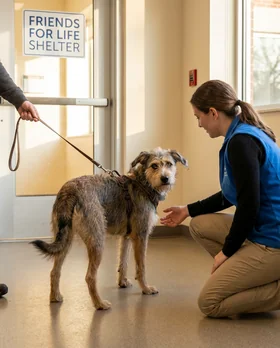
Helping shelter dogs find loving homes

Day 1: Max is found wandering, brought to the shelter. Day 3: A networker shares his photo. Day 5: A rescue commits to pulling him. Day 7: Transport day - 4 volunteers, 6 hours. Day 8: Max sleeps on a real bed for the first time. Week 3: He meets his forever family. They'll never know how close it was. Twenty-one days from death row to couch potato. Seven people made it possible. None of them knew each other before Max.

Every shelter dog has a story. They had a life before the shelter - a family, a yard, a favorite sleeping spot. Then something changed. Maybe their owner lost housing. Maybe they slipped through a gate. Maybe they were abandoned. However they arrived, their new reality is a concrete kennel, barking neighbors, and an uncertain future. And every single one of them is depending on people they'll never meet to save their lives.

Understanding the journey of a shelter dog - from intake to forever home (or, tragically, to something else) - helps you see where you can intervene. Every step has a moment where someone's help can change the outcome. Every step needs people like you showing up and doing what they can. This is what community looks like - strangers working together to save lives, one dog at a time.

6.3M
Dogs and cats enter U.S. shelters annually
~360K
Dogs euthanized in shelters each year
72 hrs
Average stray hold before dog becomes "available"
5-7 days
Typical shelter stay before outcome (adoption, rescue, or euthanasia)

How Dogs End Up in Shelters

Before we follow the journey out, it helps to understand how dogs end up there. Contrary to popular belief, most shelter dogs aren't there because of behavior problems. The reasons are almost always human-related. These are normal dogs caught in circumstances beyond their control.

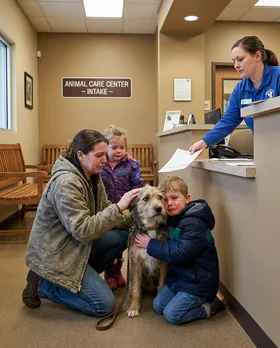
A family sadly saying goodbye to their dog at a shelter intake desk

Owner Surrender

The most common reason. Owners surrender dogs due to housing issues (pet-restrictive leases, eviction), financial hardship, new baby, allergies in the family, divorce, illness, or death. Most surrendered dogs were family pets who did nothing wrong. They're victims of human circumstances, not behavioral failures.
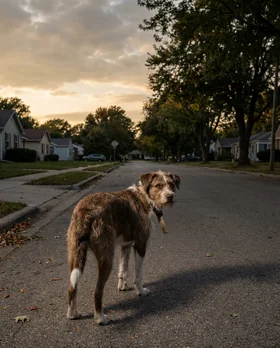
A stray dog wandering alone on a suburban street, looking lost

Stray / Found

Dogs picked up wandering loose. Some escaped yards, some were dumped, some got lost. Without ID or microchip, they wait in "stray hold" for owners who may never come. Many are perfectly friendly, just lost. They might have families desperately searching for them - or they might have been intentionally abandoned.

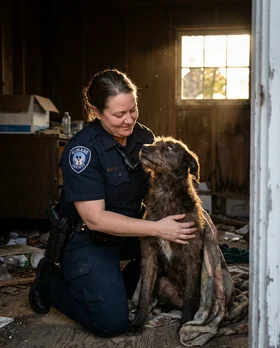
An animal control officer gently rescuing a neglected dog

Seized / Cruelty Cases

Dogs removed from neglect, abuse, or hoarding situations by animal control. These dogs often need extra medical care and behavioral support but are frequently incredibly resilient and grateful. They've survived the worst of humanity and still have love to give.

A confused dog being returned to a shelter, glancing back uncertainly

Return / Failed Adoption

Dogs returned after adoption that didn't work out. Common reasons: underestimating the commitment, landlord issues, or mismatched expectations. These dogs often get a second chance quickly because they're already vetted and known to be dog-friendly. But each return is traumatic for the dog.

The important takeaway: Shelter dogs are not "broken" dogs. They're normal dogs who experienced human circumstances beyond their control. With time and stability, most become wonderful family pets. The scared dog in the kennel might be the goofiest, most loving companion you'll ever have - they just need a chance to show you who they really are.

The Journey: Step by Step

Follow a dog through the shelter and rescue system - and see where lives are saved (or lost). This is Max's story, but it could be any dog's story. The only difference is whether people like you show up at the critical moments.

1

Intake: Entering the System

A dog arrives at the shelter. If they're a stray, they go into mandatory "stray hold" - typically 72 hours to 5 days - giving owners time to reclaim them. Owner surrenders become available immediately. This is day one of either a journey to safety or a countdown to death.

At intake, staff document the dog's physical condition, take photos, and do a basic temperament check. The dog is assigned a kennel, an ID number, and their "countdown" begins. In crowded shelters, this countdown can be as short as 3-5 days before the dog is at risk of euthanasia. The math is brutal: limited kennels, unlimited need.

The reality: Shelters are often operating at or beyond capacity. Every new intake puts pressure on existing dogs. The dog who arrived yesterday might push another dog's deadline closer. It's not about individual worthiness - it's about space running out.

Where you can help: Adopting from shelters directly opens kennel space. Fostering for shelter programs provides overflow capacity. Both save lives from day one.

2

The Visibility Problem

Shelter staff are overwhelmed. They may have hundreds of dogs to care for with minimal resources. Taking good photos, writing compelling descriptions, and marketing each dog individually is nearly impossible. They're triaging - focusing on keeping animals alive, fed, and safe. Individual marketing falls to the bottom of the priority list.

A dog's photo might be taken through kennel bars, scared and stressed, with harsh lighting. The description might just list breed guess, weight, and intake date. This is often all that separates life from death - a blurry photo and a few words. The perfect adopter could be out there, but they'll never see this dog because the visibility just isn't there.

Where you can help: Networkers find these dogs and share them. Some volunteers go to shelters specifically to take better photos or write better bios. This simple act saves lives. One good photo can make a dog go from invisible to viral. One compelling bio can turn scrolling into action.

3

The Waiting Period

The dog waits. They bark when people walk by, hoping to be noticed. They may stop eating from stress. Their behavior might deteriorate - barrier frustration, leash reactivity, or shutdown can develop within days. The kennel environment itself is traumatizing, and the longer a dog stays, the worse they often look to potential adopters.

Meanwhile, the shelter website shows them among dozens or hundreds of other dogs. Potential adopters scroll past. Rescues are at capacity. The days tick by. Each day that passes, the dog becomes less adoptable as stress takes its toll. It's a vicious cycle.

The danger zone: After a dog has been in the shelter for a certain period (often 3-7 days, but varies by shelter), they may be placed on an "at risk" or "urgent" list. This means they're running out of time and may be euthanized to make room for incoming animals. The list is updated daily. Each morning, shelter staff make impossible choices about who lives and who doesn't.

Where you can help: Share urgent posts. Foster to free up space. Donate to cover medical costs that make dogs "harder to place." Every role matters - including yours.

4

The Crossroads: Rescue or...

This is where a dog's fate is decided. One of several things happens - and which one determines everything:

  • Adopted from shelter: A member of the public adopts them directly. (Best case - space opens immediately, adopter gets immediate gratification, dog goes home)
  • Rescue pulls them: A rescue organization commits to taking the dog (see next step - this is where the network kicks in)
  • Transferred to partner shelter: Some shelters network with others in less-crowded areas (geography shouldn't determine life or death)
  • Returned to owner: For strays, the owner shows up to reclaim them (rare after stray hold expires, but it happens and it's the best possible outcome)
  • Euthanasia: If no options materialize and space is needed, the dog is put down (not because they're bad dogs, just because there's no room)

The hardest truth: Euthanasia in overcrowded shelters isn't about "bad" dogs. It's about math. When kennels are full and new dogs keep arriving, shelters face impossible choices. The dogs euthanized are often healthy, friendly, and adoptable - just out of time. The shelter workers making these decisions are traumatized by them. They didn't get into this field to kill animals. They're doing the best they can with the resources they have.

Where you can help: This is the critical intervention point. Adopt, foster, network, donate, transport - any of these actions can change the outcome at this crossroads. You're part of this network now.

5

Rescue Commitment (The Lifeline)

When a rescue organization commits to "pull" a dog, they're making a promise: We will take this dog, provide all needed care, and find them a home. This commitment secures the dog's spot - they're safe from euthanasia. The urgent list gets marked "SAVED" next to their name. Shelter staff breathe a sigh of relief. The dog doesn't know it yet, but their life just changed.

But a commitment isn't the same as physical custody. The rescue needs:

  • A foster home to place the dog (no foster = no rescue)
  • Transport to get the dog from shelter to foster (sometimes 200+ miles away)
  • Funds to cover vetting ($300-$500 minimum, more for medical cases)

Where you can help: Fostering, transport, and donations make rescue possible. Without fosters, rescues can't pull dogs. Without transport, dogs can't get to fosters. Without funds, dogs can't get vet care. This is what community looks like - different people contributing different pieces to save the same life.

6

Transport: Freedom Ride

The dog is loaded into a volunteer's car and driven away from the shelter. For the first time in days or weeks, the barking fades. The dog may be nervous, confused, or relieved - often all three. They don't know they've been saved. They just know something's changing.

Transport might be a single driver doing a 20-minute trip to a local foster, or a relay of 10+ volunteers passing the dog down a 400-mile route to reach a rescue in another state. Each leg is critical. Miss one connection and the whole transport falls apart.

Where you can help: Transport volunteers are always needed. Even if you can only drive 30 minutes, you can be one leg of a relay that moves a dog to safety. Your Saturday morning can be the reason a dog makes it from death row to a foster home. People like you make this work.

7

Vetting: The Medical Reset

In rescue care, the dog receives comprehensive veterinary treatment:

  • Full examination and health screening
  • Vaccinations (DHPP, Bordetella, Rabies)
  • Spay or neuter surgery
  • Microchip implantation
  • Parasite treatment (fleas, ticks, heartworm, intestinal)
  • Dental work if needed
  • Treatment of any injuries or illnesses

This vetting can cost $300-$600 for a healthy dog, or thousands for dogs with medical issues like heartworm ($500-$1,500), injuries requiring surgery, or chronic conditions. Rescues fundraise constantly to cover these costs. They say yes to dogs knowing they'll need to find the money somehow.

Professional Partners Make This Possible: Veterinarians who offer discounted or pro-bono services directly expand rescue capacity. One vet offering reduced-cost spay/neuter can help a rescue pull 3-5 more dogs per month. Trainers provide behavior assessments that transform "unadoptable" dogs into adoptable ones. Groomers prepare scared, matted shelter dogs for their first adoption photos. Photographers capture the personality that makes families fall in love. These professionals use their expertise where it matters most—saving lives.

Where you can help: Donations directly fund this care. Professional Partners provide discounted services that make rescue financially sustainable. Many rescues name specific dogs and their medical needs in fundraising posts. $50 covers vaccines. $150 covers a spay. $500 treats heartworm. Every dollar directly enables a rescue to say yes to a dog they'd otherwise have to pass on.

8

Foster Care: The Transformation

Now safe in a foster home, the real healing begins. The dog learns to trust again. They sleep through the night without barking neighbors. They eat meals in peace. They get walks, playtime, and one-on-one attention. For the first time in weeks, they're not terrified.

The foster parent observes the dog's true personality - how they are with other dogs, cats, children, strangers. They note their quirks, their fears, their favorite things. All this information helps find the right forever match. The scared, reactive dog in the shelter might turn out to be a gentle, playful companion who just needed quiet and consistency.

The transformation can be remarkable. A shut-down shelter dog might become a playful, goofy companion within weeks. A dog labeled "reactive" might just need time to decompress from shelter stress. The difference between kennel behavior and home behavior is often night and day.

Where you can help: Foster homes are the number one need in rescue. When you foster, you directly create space for another dog to be saved. One foster home = one life saved, plus the ripple effect of opening that shelter kennel for the next intake. People like you make this work.

9

Marketing: Finding the Match

While the dog heals, the rescue works to find their perfect match. This involves:

  • Taking great photos and videos showing personality (the difference between kennel photos and foster home photos is dramatic)
  • Writing detailed, honest adoption profiles (including quirks and challenges, not just the good stuff)
  • Listing on adoption platforms (Petfinder, Adopt-a-Pet, etc.)
  • Sharing on social media (this is where networkers shine again)
  • Bringing dogs to adoption events

Professional Photographers Transform Outcomes: A professional photographer who donates one Saturday a month for adoption photo shoots can increase adoption rates by 14-20x compared to kennel photos. One photographer shared: "A pit bull had been in the shelter for 9 months. My photos went up on Friday. He was adopted by Sunday. That's not magic—that's showing who he really is." Professional photos capture personality, not just appearance. They turn scrollers into adopters.

Where you can help: Sharing on social media exponentially increases a dog's reach. Professional photographers, designers, and marketers help dogs stand out in crowded adoption listings. You never know - your friend's coworker's neighbor might be the perfect adopter. The perfect family might be three states away, scrolling adoption sites late at night. Your share could be the one that connects them.

10

Forever Home: The Happy Ending

An adopter finds the dog's profile, fills out an application, and is approved by the rescue. They meet the dog - often at the foster's home - and it's a match. Adoption papers are signed, adoption fees paid, and the dog goes home. They fit. It feels right. This is the one.

From that moment, this dog is no longer a "shelter dog" or a "rescue dog." They're just a dog - someone's beloved pet. Their journey from lost to loved is complete. The urgent list is behind them. The kennel is a fading memory. They're home.

The cycle continues: When a dog gets adopted, their foster spot opens up. The rescue can pull another dog from a shelter. That shelter kennel becomes available for a new stray or surrender. One adoption creates a ripple effect of saved lives. This is why every role matters - the adopter at the end of the journey is just as essential as the networker at the beginning.

Remember Max from the beginning of this page? Twenty-one days from intake to adoption. Seven people made it possible. You could be one of those people for the next dog. Every role matters - including yours.

Where Lives Are Saved (and Lost)

Looking at this journey, you can see the critical intervention points - the moments where a volunteer, donor, or adopter changes the outcome. Understanding these points helps you see where your contribution makes the biggest difference.

High-Risk Moment: The Urgent List

When a dog hits the urgent list, their time is measured in hours. A share on social media, a rescue commitment, or an adopter walking through the door can save them. This is when networking matters most. One share at 11pm can lead to a rescue commitment at midnight and a dog marked "saved" by 9am. It happens every single day.

Bottleneck: Foster Availability

Rescues often have adopters waiting, dogs they want to pull, and funds available - but no foster homes. This single bottleneck stops the entire pipeline. Opening your home to foster literally saves lives. A rescue with 50 foster homes can save 50 dogs at once. A rescue with 5 foster homes can save 5. The math is simple and heartbreaking.

Multiplier: Medical Donations

A dog with heartworm might be passed over by rescues because of treatment costs ($500-$1,500). A donation specifically for medical cases can mean the difference between a rescue commitment and a euthanasia slip. Every dollar directly enables rescues to say yes to dogs they'd otherwise have to pass on.

Visibility Win: Good Photos & Shares

A dog with a great photo and compelling write-up gets 10x the views. A single share to the right audience can find an adopter in hours. Never underestimate the power of networking. The difference between a grainy kennel photo and a happy foster home photo can be the difference between life and death.

This is what community looks like - people showing up at different intervention points, doing different things, all contributing to the same outcome: a dog saved. You're part of this network now. The question is: where will you show up?

Where Can You Help?

Every step of this journey involves volunteers, donors, and supporters. Here's where you fit in. Every role matters - including yours.

Network & Share

Share dogs on social media. Take 30 seconds to share an urgent dog's photo. Your network could include their perfect adopter. Helps at steps 2, 3, 9.

Learn How

Foster

Open your home to a dog waiting for adoption. This is the #1 need. When you foster, you directly create space for another dog to be saved. Helps at step 8.

Start Fostering

Transport

Drive a leg of a rescue transport. Even 30 minutes can move a dog from death row to safety. No experience needed. Helps at step 6.

Volunteer to Drive

Donate

Fund the vetting that makes rescue possible. $25 covers vaccines. $150 covers a spay/neuter. $500 treats heartworm. Every dollar saves lives. Helps at step 7.

Donate Now

Donate Supplies

Provide food, crates, beds, toys, and cleaning supplies. Reduce rescue expenses so more funds go to medical care. Helps at steps 7, 8.

See Needs

Adopt

Give a dog their happy ending. Every adoption opens a spot for another dog to be saved. You're not just saving one life - you're creating space for more. Helps at step 10.

Find Dogs

Professional Partner

Use your professional expertise to expand rescue capacity. Vets, trainers, groomers, photographers, lawyers, accountants—your skills save lives. Helps at steps 2, 7, 8, 9.

Join as Professional

Frequently Asked Questions

Why are dogs euthanized if they're adoptable?

It comes down to space. When shelters are over capacity and new dogs keep arriving, they face impossible choices. It's not about "good" or "bad" dogs - it's about the math of limited space. This is why rescue and foster networks are so critical. Every foster home that opens up creates capacity to save one more life.

How long do dogs stay in shelters?

It varies wildly. Some dogs are adopted or rescued within days. Others wait weeks or months. In no-kill shelters, dogs may stay until adopted regardless of time. In open-admission shelters with space constraints, the timeline can be much shorter - sometimes just days. Geography, breed, size, age, and behavior all factor into how long a dog has.

What happens to dogs that aren't pulled by rescues?

Some are adopted directly from the shelter. Some are transferred to partner shelters with more space. Unfortunately, some are euthanized when time and space run out. This is why networking and foster volunteers are so crucial - they create the connections and capacity that save lives. You're part of this network now.

Is it better to adopt from a shelter or rescue?

Both save lives! Shelter adoptions open kennel space immediately. Rescue adoptions open foster spots, allowing the rescue to pull another shelter dog. Either way, you're part of the solution. The "best" choice depends on your situation - if you want more behavioral information and support, rescues excel. If you're ready to give an unknown dog a chance and create immediate shelter space, that's equally valuable.

How do I know if a rescue is legitimate?

Look for 501(c)(3) nonprofit status, transparent operations, willingness to answer questions, and reviews from adopters and fosters. Red flags include pressure to adopt quickly, unwillingness to provide vet records, or asking fosters to pay expenses. Legitimate rescues should provide references, have active social media showing their work, and be transparent about their processes and finances.

Find Your Place in This Journey

Every saved dog required a network of people - networkers, fosters, transporters, donors, and adopters - working together. There's a role for you.
People like you make this work. This is what community looks like.

See All Ways to Help How the System Works