Helping shelter dogs find loving homes
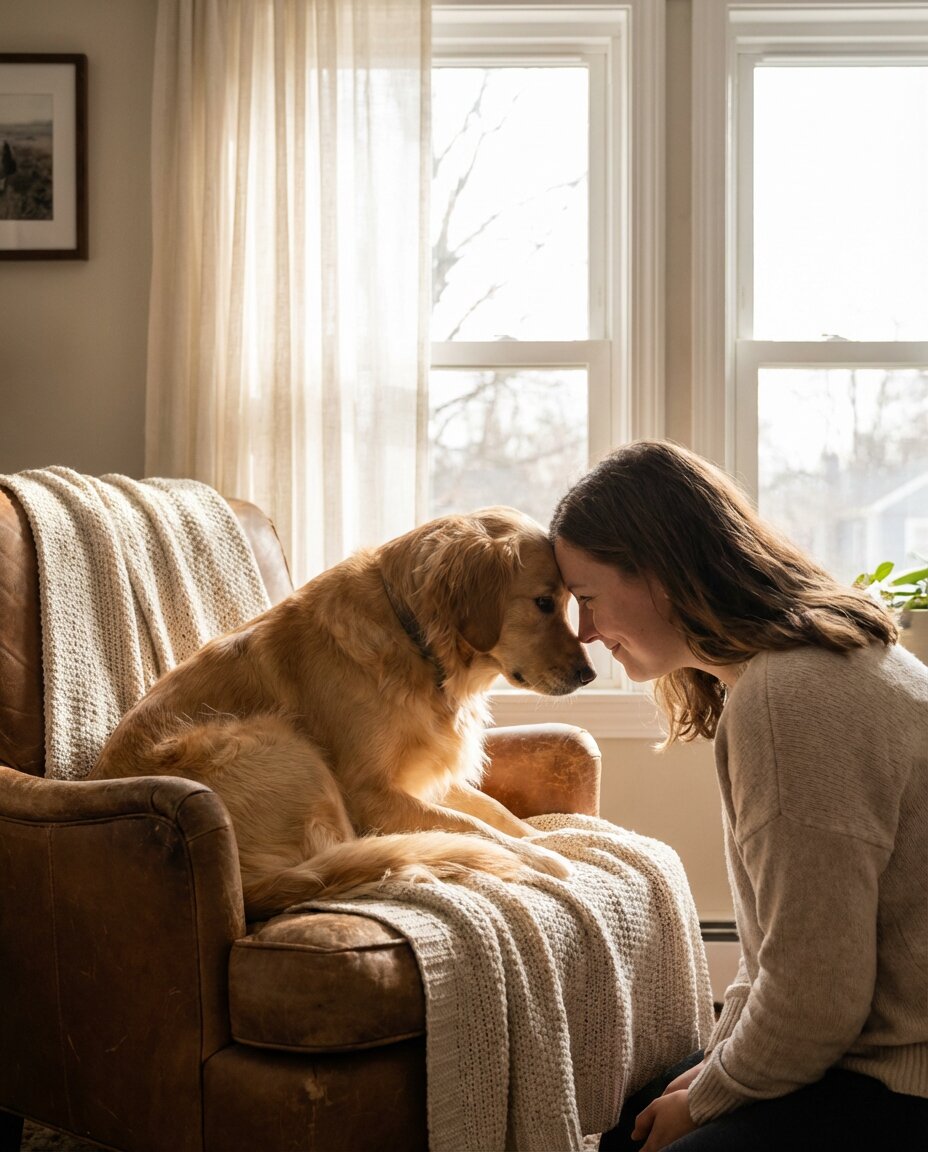
Human and dog sharing a moment of connection

Understanding the Rescue Ecosystem

For 15,000 years, humans and dogs have been partners. We evolved together. This is the story of the people fighting to honor that ancient bond.

334,000 Dogs euthanized in 2024
59% Reduction since 2016
1 Dog you could save
See How You Fit In

The Oldest Partnership on Earth

Somewhere between 15,000 and 23,000 years ago, a group of wolves lingered at the edge of a human camp, drawn by warmth and the scent of food. Some wolves were too fearful and slunk away. But a few—the bravest, the most curious—stayed close.

Those wolves became dogs. Not because we forced them, but because they chose us. Over thousands of generations, they evolved to understand our gestures, read our faces, recognize the tone of our voices. They developed a muscle wolves don't have—just to make "puppy dog eyes" at us.

They literally changed their anatomy to communicate with us better.

Evolution from wolf to dog - the 15,000 year journey

A Bond Written in Biology

In 2015, Japanese researchers discovered something remarkable. When you gaze into your dog's eyes, both of you experience a surge of oxytocin—the same "love hormone" that bonds mothers to infants.

This neurochemical response exists between no other two species on Earth. Dogs and humans are biologically wired to love each other.

They guarded our homes. Herded our livestock. Pulled our sleds across frozen continents. Led us when we couldn't see. Comforted us when we grieved. They gave us 15,000 years of unwavering loyalty.

And then we created a system that kills them when they become inconvenient.

The oxytocin bond - a human and dog sharing a moment

The Brutal Reality—And The Hope

915 Dogs euthanized every day That's 38 dogs every hour. One every 2 minutes.
59% Reduction since 2016 From 800,000 to 334,000 in just 8 years.
You Could be the difference Ordinary people building an extraordinary network.

This progress wasn't legislation. It wasn't magic. It was people like you—building this network one foster home at a time, one transport at a time, one share at a time.

The Rescue World Can Seem Impenetrable

You've seen the posts on social media. "CODE RED - Urgent networker needed!" "Transport from Riverside to Pasadena, can anyone drive a leg?" If you're not already in the rescue world, it sounds like a foreign language.

People inside the network know how everything connects. People outside feel like they're looking through frosted glass—they can see shadows of movement, but can't make out the details.

That opacity costs lives. Because there are thousands of people who would help if they only understood how. You're one of them.

Here's what we're going to do: we're going to break down every role, every relationship, every moving part. By the time you're done, you won't just understand how rescue works. You'll know exactly where you fit in.

The Network of Love: Luna's Journey

Think of rescue like a relay race where the baton is a life. Each person runs their leg, then hands off to the next runner. Here's how it works in real life.

Luna in the shelter, scared and shut down
Tuesday, 9:15 AM

The Shelter

A three-year-old pittie mix is brought in as a stray. She's scared, shut down, won't make eye contact. After 72 hours, she becomes available for adoption or rescue. After seven days, if no one steps up, she'll be evaluated for euthanasia.

The shelter isn't heartless. They took in 47 dogs this week. They have space for 35. Something has to give.

Jennifer networking dogs over morning coffee
Friday, 6:30 AM

The Networker

Jennifer checks the shelter's urgent list over her morning coffee. She photographs the dog's profile, crafts a compelling description, and shares it across Facebook groups, Instagram, rescue network Slack channels.

"URGENT: CODE RED. Beautiful pittie, great with people, shutting down in shelter. NEEDS COMMITTED FOSTER BY MONDAY."

By noon, that post has been shared 400 times. One of those shares will save her life.

Maria coordinating the rescue pull
Friday, 2:45 PM

The Rescue Organization

Maria runs a small rescue from her home. She sees Jennifer's post and knows this dog is perfect for their program—but they can't pull without a committed foster.

The math is simple: Without a foster, they can't save this dog. It doesn't matter how much they want to. The system only works if people open their homes.

Sarah deciding to foster
Friday, 4:15 PM

The Foster Says Yes

Sarah just said goodbye to her last foster three days ago. She'd promised herself a break. The spare room needs painting. She had plans this weekend.

But she looks at the photo of the scared pittie in the corner of a concrete kennel.

"I can take her."

Three words. One life saved.

Volunteers transporting Luna to her foster home
Saturday, 10:00 AM

The Transport Chain

The shelter is in Riverside. Sarah's home is in Pasadena. That's 70 miles in Saturday traffic.

Marcus can drive from Riverside to Corona. Jessica takes her from Corona to Claremont. David finishes the run to Pasadena.

Three people, three short drives, one massive impact. By 2:30 PM, a dog who was on death row is being carried into Sarah's home.

Luna beginning to heal in her foster home
Week One

The Healing Begins

The first night, Luna won't eat. She hides behind the couch. She flinches at sudden movements.

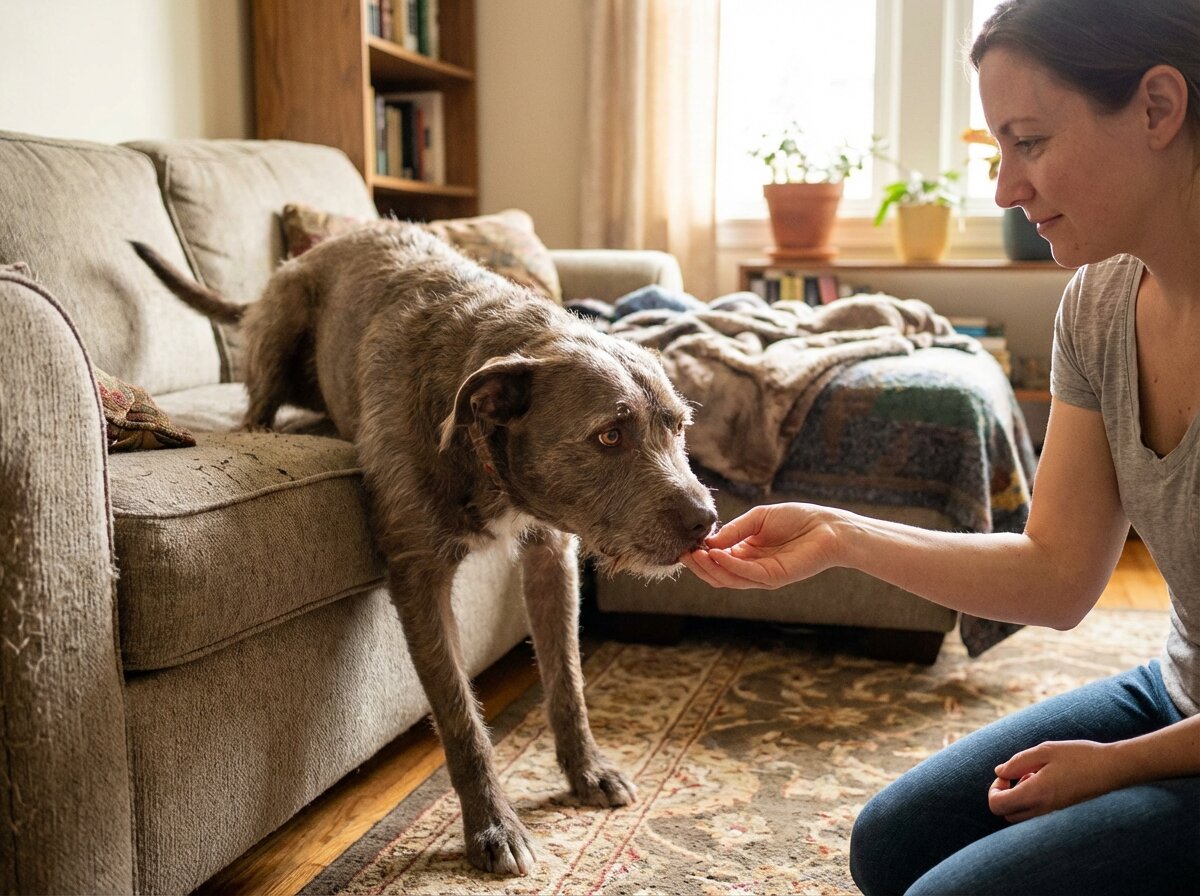
  • Day 3: Takes a treat from Sarah's hand
  • Day 5: A tentative tail wag
  • Day 7: Following Sarah from room to room
  • Day 10: Playing with toys
  • Day 14: Curled up in bed, snoring contentedly

Foster care doesn't just house dogs. It heals them.

Luna with her forever family, the Chens
Week Three

Forever Home

The Chen family has been looking for the right dog for months. They see Luna's adoption post—thanks to more networking shares—and fall in love. They meet her at Sarah's house.

Luna greets them with a wagging tail and her new favorite toy.

"She's so lucky to have you," Mrs. Chen says. Sarah shakes her head. "We're all lucky. She chose to trust again. That's the real miracle."

That's how the network works. A shelter that had to make hard choices. A networker who shared a photo. A rescue that committed resources. A foster who opened her home. Transporters who drove. An adopter who said yes.

Each person did their part. Together, they saved a life.

Find Your Role in This Network

Now that you understand how the network flows, let's explore each role. What they do. Why they're critical. And how you might fit in.

The interconnected rescue ecosystem

The Rescue Ecosystem

The 30,000-foot view. How all the pieces fit together. Why the system works the way it does. Start here if you need to understand the "why" before committing to the "how."

You'll learn: The difference between shelters and rescues, why fosters are the bottleneck, and where your specific skills might be most needed.
Explore the Ecosystem
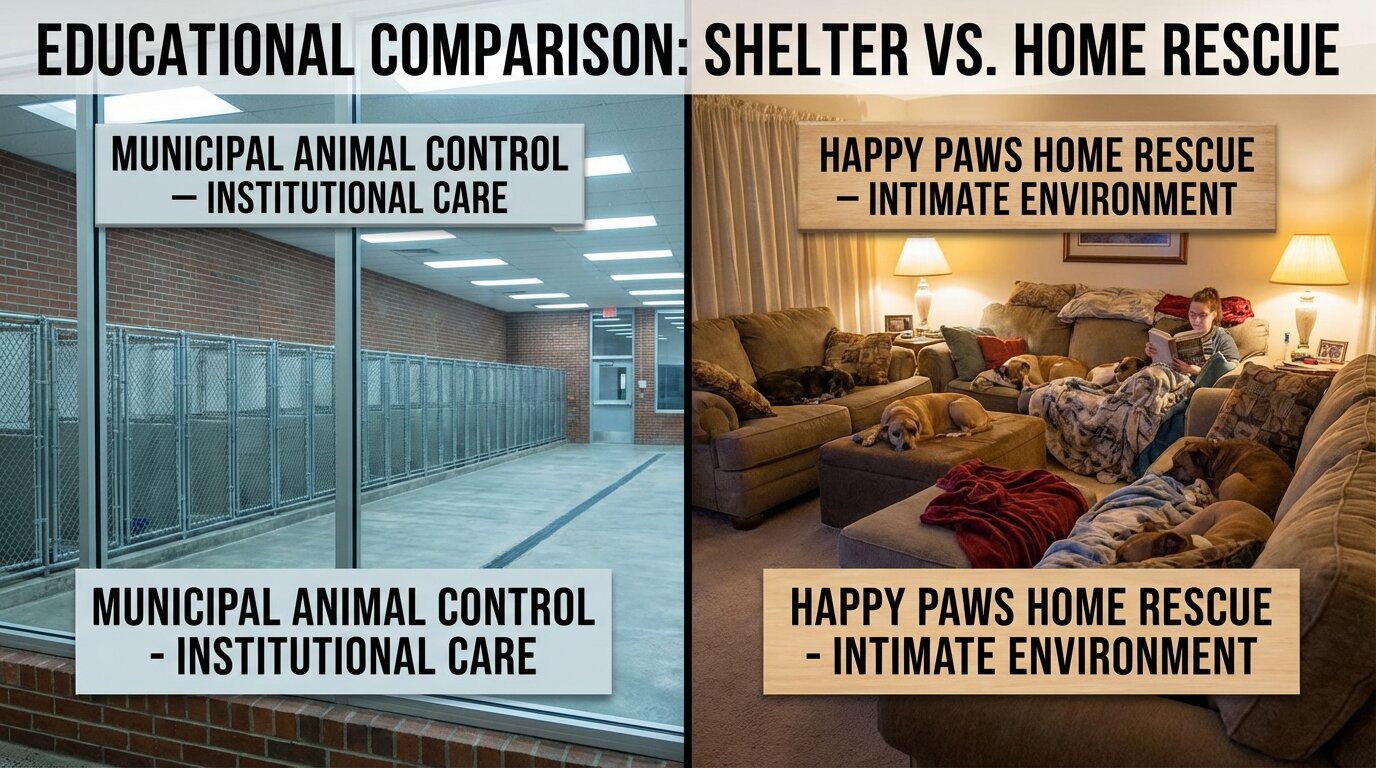
Shelters versus rescues - understanding the difference

Shelters vs Rescues

People use these terms interchangeably. They shouldn't. Shelters are open-admission—they legally can't turn animals away. Rescues are selective—they only take dogs they have space for.

You'll learn: Why shelters euthanize healthy dogs, what "no-kill" really means, and the impossible choices both organizations face daily.
Learn the Difference
A networker sharing dogs on social media

What is a Networker?

The unsung heroes. They don't have kennels. They don't foster. They just have social media accounts and willingness to share. That simple act can mean life or death.

You'll learn: How to effectively network dogs, which platforms work best, and why your social media following is literally a life-saving asset.
Become a Networker
A foster parent caring for a rescue dog at home

Understanding Fosters

Foster homes are the backbone of rescue. Without them, the entire system collapses. Rescues can only pull as many dogs as they have foster spaces. No fosters = no pulls.

You'll learn: What fostering entails, typical commitments, what "foster failure" means, and why fostered dogs are 14-20x more likely to be adopted.
Explore Fostering
The complete journey of a shelter dog from rescue to forever home

Journey of a Shelter Dog

Follow one dog's complete journey from shelter intake to forever home. Every step. Every decision point. You'll see exactly where you could step in.

You'll learn: The complete timeline, what "code red" means, how transport chains work, and why timing is literally a matter of life and death.
Follow the Journey
Professionals using their expertise to help shelter dogs

Professional Partners

The invisible infrastructure. Veterinarians, trainers, groomers, photographers - professionals who use their expertise to expand rescue capacity.

You'll learn: How professional services remove rescue bottlenecks, why 60-70% of rescue budgets go to medical care, and how your expertise saves lives.
Explore Professional Partnership

Why Understanding This Matters

You might be thinking: "Can't I just help without knowing how everything connects?"

You could. But when you understand the ecosystem:

  • You realize sharing a shelter dog's photo isn't just feel-good activism—it's a critical step in getting them rescued
  • You understand why rescues can't save every dog they want to—they're limited by foster capacity, not compassion
  • You see that your tiny apartment doesn't disqualify you from fostering—small dogs need homes too
  • You understand that your 30-minute commute could be someone's transport leg

Understanding isn't academic. It's the difference between wanting to help and knowing how.

Understanding how the rescue network works opens doors to helping
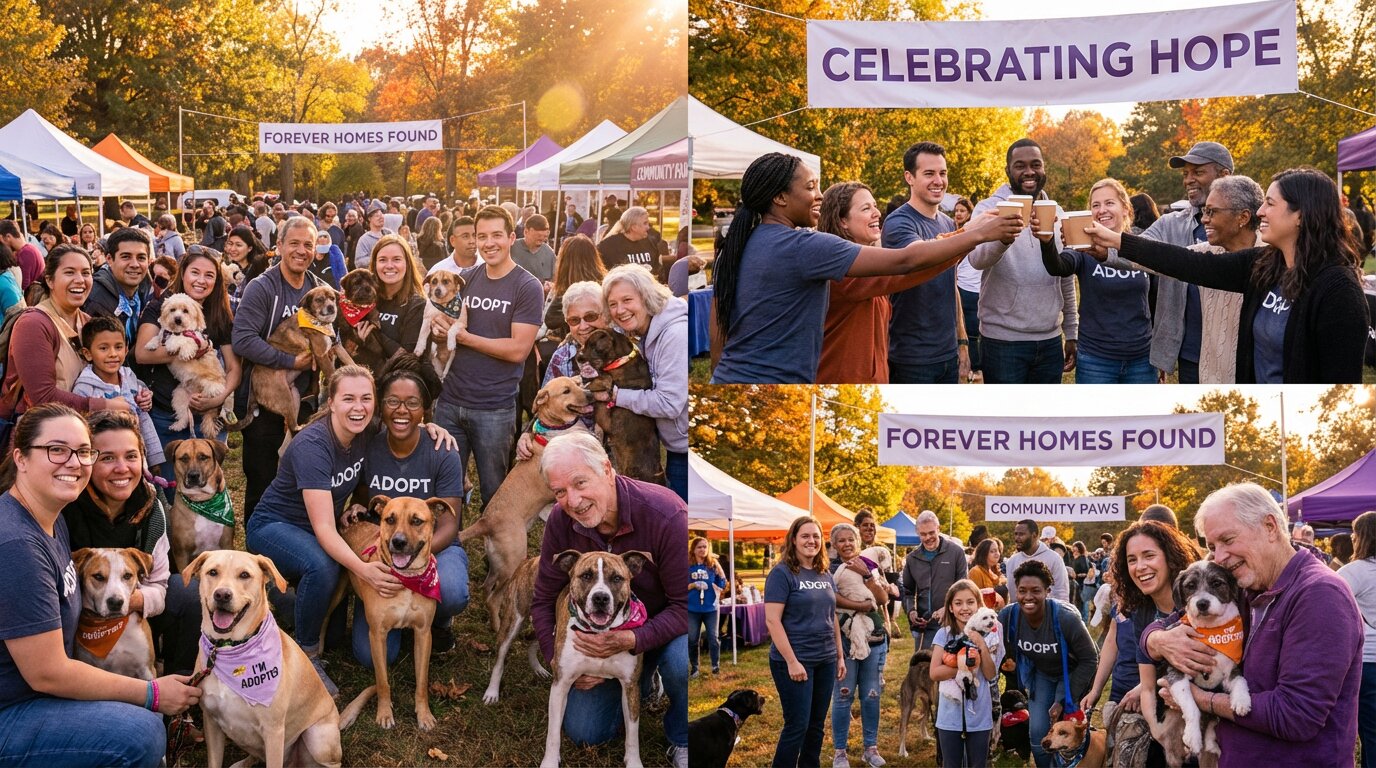
The rescue community working together to save lives

Ready to Find Your Place in This Network?

You understand how the system works now. You see how each person's contribution creates a chain reaction that saves lives. The question isn't whether you can help—it's which role fits your life right now.

Maybe you're the person who could share posts during your morning coffee. Maybe you're the one with a spare room and a few weeks to give. Maybe you're the driver who could turn a commute into a rescue mission.

There's a place for you in this network. Let's find it.